




High-end outdoor pavers like sandstone, travertine, and granite elevate the aesthetic appeal and financial value of any coastal home. However, maintaining these premium surfaces requires a delicate touch to avoid permanent surface erosion or joint damage. Homeowners frequently seek professional pressure cleaning in Eastern Suburbs to restore the pristine look of their outdoor entertaining areas. While high-pressure washing effectively removes stubborn grime, mould, and salt build-up, using incorrect techniques can easily scar soft natural stone or strip away jointing sand. Protecting your investment requires understanding how to balance raw cleaning power with surface preservation. This guide outlines the essential strategies to keep your premium pavers immaculate without causing structural harm.
Identifying Your Paver Material and Its Vulnerabilities
Before starting any washdown, you must identify the specific material of your outdoor pavers. Sydney properties often feature delicate natural stones like Himalayan sandstone, limestone, and premium travertine. Sandstone is highly porous and exceptionally soft, meaning excessive water pressure can literally carve gouges into the surface or cause the stone to flake. Travertine possesses natural voids that can expand if subjected to concentrated water blasts, ruining its smooth texture. Even denser materials like granite and basalt can suffer from surface etching or lose their polished finish if treated too aggressively. Slate pavers, another popular choice, consist of fine layers that can delaminate and flake away when hit with high-velocity water.
Assessing Joint Integrity
Beyond the stone itself, you must evaluate the jointing material. Traditional sand joints easily wash away under high pressure, destabilising the pavers and encouraging weed growth. Polymeric sand is more resilient but still succumbs to direct, close-range pressure. When preparing for pressure cleaning in Eastern Suburbs, professionals assess these material vulnerabilities first. They adjust their methods based on stone density and the age of the grout. Understanding these distinctions prevents costly mistakes, ensuring your alfresco dining area, driveway, or pool surround remains structurally sound and visually striking for decades.
Selecting the Optimal Pressure and Nozzle Configurations
Using the wrong nozzle or excessive pressure is the most common cause of paver damage. Many domestic pressure washers operate at fixed, high pounds per square inch (PSI) levels that are far too intense for delicate natural stone. For safe cleaning, keep the pressure below 1,500 PSI when washing sandstone or limestone. Harder stones like granite can tolerate up to 2,000 PSI, but only when handled with the correct nozzle attachment.
Choosing the Right Spray Pattern
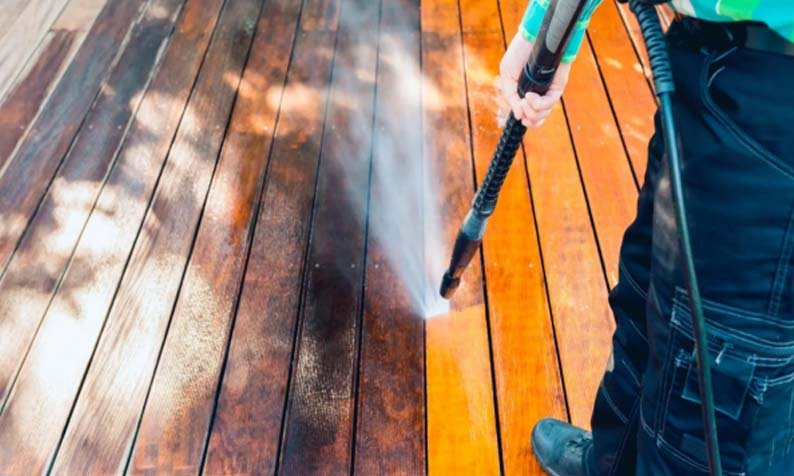
Never use a zero-degree red nozzle, which focuses the water into a highly destructive pinpoint beam. Instead, opt for a 25-degree green nozzle or a 40-degree white nozzle to distribute the water impact over a broader surface area. Hold the spray wand at a consistent 45-degree angle to the paving surface, keeping the tip at least 30 centimetres away. This angle prevents the water from striking the stone directly and lifting the edges. If you have extensive paving, consider using a specialised rotary surface cleaner. This attachment houses spinning nozzles at a fixed height, delivering a uniform clean without leaving unsightly streak marks or stripes across your expensive outdoor entertainment areas. This method also protects your surrounding garden beds from high-pressure back-splatter.
The Importance of Safe Pre-Treatments and Chemical Cleaners
To minimise the physical force applied to your pavers, rely on chemical pre-treatments to break down organic growth, grease, and grime. Applying a high-quality, pH-neutral outdoor cleaner or a specialised biodegradable detergent softens stubborn stains beforehand. This approach allows you to rinse away dirt using much lower water pressure, safeguarding the stone’s natural texture.
Avoiding Acidic Damage
Be incredibly cautious with acidic cleaners. While hydrochloric acid is sometimes used on clay bricks, it will instantly dissolve or severely etch calcium-based stones like travertine, limestone, and marble. Always perform a patch test on an inconspicuous corner before applying any cleaning solution across the entire patio. For coastal properties dealing with heavy salt and mould build-up, choosing a professional service ensures the use of safe, commercial-grade surfactants. Homeowners looking for premium results often seek trusted pressure cleaning in Northern Beaches to handle these delicate chemical balances safely. These experienced technicians understand how to neutralise cleaning agents post-application, preventing chemical residues from drying on the stone and causing permanent discolouration or white, powdery efflorescence.
Post-Cleaning Maintenance: Re-Sanding and Sealing
The cleaning process does not end when the water stops running. Even with impeccable technique, some jointing sand will inevitably wash away during a thorough clean. Once the pavers are completely dry, sweep fresh kiln-dried jointing sand or polymeric sand into the gaps. This step is vital to lock the pavers back into place and prevent them from shifting under foot traffic.
Applying the Protective Barrier
After re-sanding, applying a premium penetrating sealer is the ultimate way to protect your high-end pavers from future staining, water ingress, and salt attack. Penetrating sealers soak deep into the pores of the stone without altering its slip resistance or natural look. For those who prefer to delegate this tedious task, hiring a specialist for trusted pressure cleaning in Northern Beaches guarantees a flawless application. A professional sealer application prevents oil spills from barbecues and tannin stains from fallen leaves from permanently ruining your stone. This proactive maintenance routine keeps your outdoor areas looking immaculate while significantly extending the lifespan of your paving materials.
Common Mistakes to Avoid During DIY Cleaning
While the DIY route is tempting for many homeowners, several common mistakes can lead to irreversible damage to high-end paved areas. One frequent error is failing to sweep the area thoroughly before starting. Loose debris, twigs, and small pebbles can turn into dangerous high-velocity projectiles under the force of a pressure washer, scratching the stone or causing injury.
Managing Water Runoff
Another critical mistake is ignoring where the dirty water and chemical runoff go. Without proper drainage planning, pools of muddy, chemical-laden water can settle on lower-lying pavers, leaving behind unsightly tide marks as they dry. This runoff can also seep into adjacent garden beds, damaging sensitive plants and altering soil chemistry. Additionally, rushing the drying phase before applying sealers is a recipe for disaster. Sealing damp pavers traps moisture inside the stone, leading to a cloudy, hazy finish known as moisture blushing. When you hire professionals for pressure cleaning in Eastern Suburbs, they use commercial water-recovery systems to manage runoff and ensure the stone is perfectly dry before sealing.
Conclusion
Investing in high-end outdoor pavers significantly enhances your property’s value and aesthetic appeal, making proper maintenance essential. While pressure cleaning in Eastern Suburbs is the most effective way to combat coastal grime and mould, it requires a careful, methodical approach. By identifying your stone’s specific vulnerabilities, using low-pressure nozzles, applying safe chemical pre-treatments, and finishing with quality sealers, you can preserve the structural integrity and beauty of your outdoor spaces. If you are unsure about handling delicate sandstone or travertine yourself, partnering with experienced professionals is the safest choice to ensure your premium outdoor entertaining areas remain stunning for years to come.