





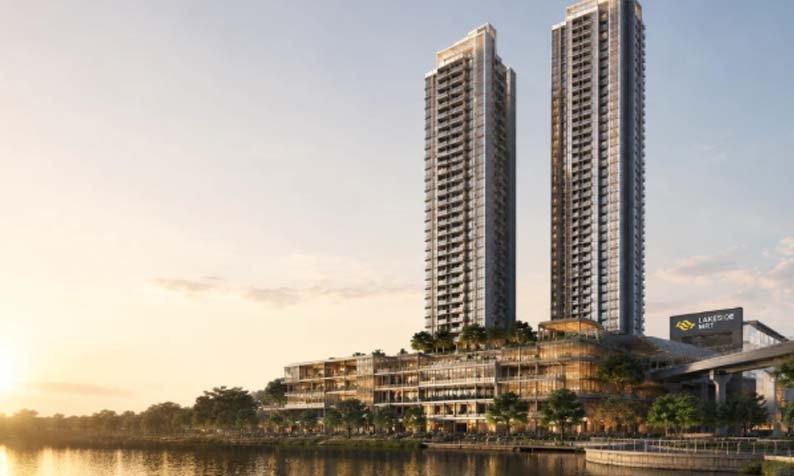
Selecting a new home requires balancing interior luxury with daily convenience. For buyers looking at premium residential developments, transit connectivity often dictates the final decision. Comparing the transport networks around Lucerne Grand and Thomson Reserve reveals distinct advantages for different lifestyles. While both developments offer high-end living spaces, their surrounding infrastructure serves different commuting needs. One project caters heavily to rapid transit commuters, while the other provides superior access for private drivers. This analysis breaks down the train stations, highway networks, and pedestrian routes surrounding these two prominent properties to help you make an informed investment that aligns with your daily commute.
Public Transit Access and MRT Connectivity
Public transportation remains the backbone of urban commuting, and both developments offer unique transit advantages. Residents of Lucerne Grand enjoy immediate access to the central subway line, with the nearest station located just a three-minute walk from the main lobby. This station connects commuters directly to the central business district in under fifteen minutes, making it highly convenient for office workers who want to avoid morning traffic. The station also serves as an interchange hub, allowing quick transfers to three other major train lines without leaving the terminal.
Alternative Transit Links
In contrast, the alternative development sits slightly further from the main rail network, requiring a short seven-minute bus ride to reach the nearest MRT interchange. However, this minor distance is offset by the presence of a dedicated shuttle service for residents, which runs every ten minutes during peak morning and evening hours. Additionally, the surrounding bus stop services twelve distinct routes, offering direct, scenic travel options to suburban shopping centers and recreational parks. For those who prioritize a quieter residential environment over immediate train proximity, this setup offers a comfortable middle ground that still keeps the wider city highly accessible.
Expressway Connectivity and Road Networks
For residents who prefer driving, highway accessibility plays a critical role in daily convenience. The area surrounding Thomson Reserve excels in this category, providing immediate entry points to two major expressways. Drivers can merge onto the northbound highway within two minutes of leaving the underground parking garage. This direct connection minimizes time spent idling on local arterial roads, allowing a smooth drive to the northern industrial zones or the southern waterfront. The local road layout is also designed to handle high traffic volumes, reducing bottle-necks during rush hour.
Driving from the City Center
On the other hand, driving from the city center property requires passing through a slightly more congested urban grid before reaching the nearest expressway slip road. During off-peak hours, drivers can reach the main highway in about six minutes, but morning peak hours can stretch this journey to twelve minutes due to traffic lights and pedestrian crossings. To mitigate this, the local municipal council recently implemented smart traffic management systems that prioritize vehicles exiting the residential zone. This upgrade has already reduced local transit delays by fifteen percent, making the drive much more predictable for residents heading to work.
Pedestrian Pathways and Active Mobility Options
Modern urban planning emphasizes green corridors and active mobility, allowing residents to travel without relying on motorized vehicles. The city-center development features an integrated network of sheltered elevated walkways that connect the residential towers directly to nearby commercial hubs, supermarkets, and dining enclaves. These pathways are completely weather-proof, protecting pedestrians from heavy rain and intense afternoon sun. Cyclists will also appreciate the dedicated bicycle lanes that run parallel to the main roads, providing a safe, separated route for eco-friendly commuting.
Green Corridors Near Suburban Estates
Meanwhile, the neighborhood surrounding the suburban property focuses on park connectors and recreational trails. The development connects directly to a regional green corridor, allowing residents to jog or cycle through scenic nature reserves all the way to the coastal park system. While these trails are designed more for leisure than rapid commuting, they offer a peaceful alternative for those who enjoy walking to nearby cafes or community centers. The local paths are wide, well-lit at night, and lined with native trees, creating a refreshing microclimate that lowers the ambient temperature of the immediate neighborhood during warm afternoons.
Future Infrastructure Developments and Property Value
Transportation infrastructure directly influences real estate value, making future transit plans a vital consideration for buyers. The region around the northern estate is slated for a major transit upgrade over the next three years, including the construction of a new underground metro station just five hundred meters away. Once completed, this line will link the estate directly to the eastern aviation hub and the western university district. Real estate analysts predict that this infrastructure boost could increase local property values by ten to fifteen percent upon completion, making it a highly attractive option for forward-looking investors.
Upcoming Upgrades Near Central Hubs
Conversely, the transit network around the central development is already mature, meaning there are fewer massive infrastructure projects on the horizon. However, the local authority is planning to introduce an autonomous electric shuttle trial next year to connect the estate with nearby medical centers and heritage districts. This addition will further enhance local mobility without the disruption of heavy construction. While the immediate capital appreciation from new transit lines might be lower here, the established, reliable nature of the existing transport links provides a stable, low-risk environment for long-term property preservation.
Conclusion
Choosing between these two premium developments ultimately depends on your personal commuting preferences and daily lifestyle. Lucerne Grand stands out as the ideal choice for individuals who rely on fast, direct public transit and appreciate immediate access to the urban core. On the other hand, Thomson Reserve offers a tranquil retreat with exceptional highway access and scenic active mobility pathways, making it perfect for driving enthusiasts and nature lovers. Both properties present compelling transport advantages that secure their status as premier residential addresses. By evaluating your daily travel patterns and long-term transit needs, you can easily select the home that best enhances your daily routine.