





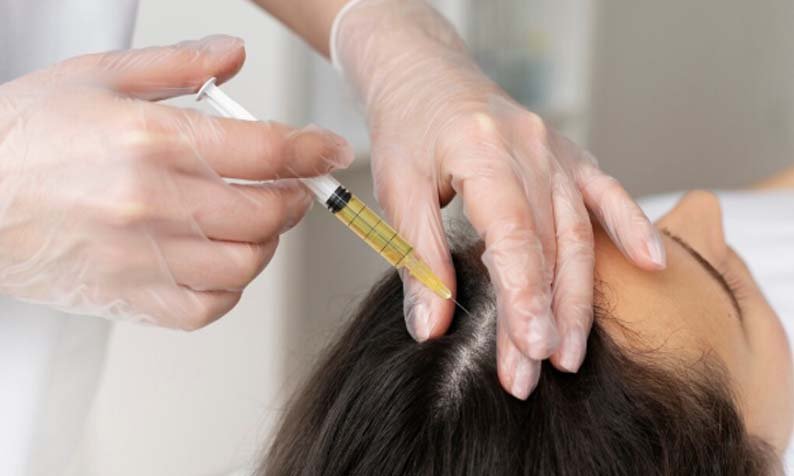
Hair loss affects millions of adults, often causing frustration and a search for effective solutions. Standard options like topical solutions and surgical transplants are no longer the only paths to a fuller head of hair. Regenerative medicine offers innovative alternatives that target cellular health directly. If you are experiencing thinning, considering an exosome hair treatment in Raleigh can provide a modern, non-surgical path to restoration. This advanced therapy, along with other cellular treatments, helps revitalize dormant follicles. Understanding how these biological tools work can help you make an informed decision about your hair restoration journey.
Understanding Exosome Therapy for Hair Restoration
Exosomes are microscopic extracellular vesicles released by cells. They act as messengers, carrying vital proteins, lipids, and nucleic acids directly to target cells. In the context of hair loss, exosomes signal dormant hair follicles to enter the active growth phase, known as the anagen phase. Unlike older treatments that simply mask symptoms, this cellular approach addresses the root cause of follicle miniaturization.
During an exosome hair treatment in Raleigh, a concentrated serum of these extracellular vesicles is applied to the scalp, typically following microneedling or light injections. This process ensures the active molecules penetrate deep into the dermal papilla cells. Once absorbed, the exosomes deliver genetic instructions and proteins that reduce inflammation, improve local blood circulation, and trigger cellular repair.
Because exosomes are acellular, meaning they do not contain DNA or cell nuclei, they carry a very low risk of adverse immune reactions. This makes the procedure highly stable and safe for a wide range of candidates. Over several weeks, the stimulated cells begin to rebuild the extracellular matrix around the hair follicle, resulting in thicker, stronger hair shafts. By restoring the cellular microenvironment, this therapy helps reverse the thinning process naturally.
The Role of Growth Factors in Follicle Stimulation
While exosomes act as cellular messengers, growth factors serve as the direct fuel for tissue repair and regeneration. Growth factors are naturally occurring proteins capable of stimulating cellular proliferation, wound healing, and cellular differentiation. Utilizing these proteins helps accelerate the healing of damaged hair follicles and promotes the synthesis of new blood vessels, a process called angiogenesis.
Opting for growth factor therapy in Raleigh allows patients to harness these concentrated proteins to combat androgenetic alopecia and other forms of hair thinning. The treatment involves extracting growth factors, often derived from the patient’s own blood or specialized bio-engineered sources, and administering them directly to the thinning areas of the scalp.
Once introduced, these proteins bind to specific receptors on the surface of follicle cells. This binding sends signals that promote cell survival and prolong the active growth cycle of the hair. Improved blood flow ensures that each follicle receives adequate oxygen and essential nutrients, which are vital for producing robust hair strands. Over time, follicles that were previously producing weak, wispy hairs begin to produce thicker, more resilient strands. This localized stimulation helps density return to areas of the scalp that have begun to show visible thinning.
Key Differences Between Exosomes and Growth Factors
To choose the best approach for your needs, it is helpful to contrast these two modern therapies. Growth factors are individual proteins that perform specific, direct tasks like stimulating cell division or building blood vessels. In contrast, exosomes are complex, membrane-bound packages containing thousands of signaling molecules, including growth factors, cytokines, and microRNA.
Think of growth factors as individual tools, while exosomes represent an entire toolbox with a pre-programmed set of instructions. This distinction means that an exosome hair treatment in Raleigh provides a broader, more systemic signaling effect, instructing local cells on how to repair themselves over a longer period. On the other hand, growth factor therapy in Raleigh delivers immediate, direct stimulation to the targeted areas, which can be highly effective for rapid tissue recovery and localized follicle support.
Many clinical practitioners view these treatments as complementary rather than mutually exclusive. While some patients benefit more from the comprehensive signaling power of exosomes, others see excellent results from the direct stimulation of growth factors. A qualified specialist can evaluate the specific pattern of your hair loss to determine which biological mechanism will yield the most favorable outcome for your scalp.
What to Expect During and After Treatment
Understanding the treatment process can ease any anxiety you might have about undergoing these regenerative procedures. Both therapies are minimally invasive, outpatient procedures performed in a clinical setting. A typical session lasts between 45 and 60 minutes, making it easy to fit into a busy schedule.
For those receiving growth factor therapy in Raleigh, the session often begins with a simple blood draw to isolate the necessary proteins. If you choose an exosome-based treatment, the serum is pre-prepared and ready for application. The provider prepares the scalp using a mild topical anesthetic to ensure comfort. They then use microneedling or shallow micro-injections to deliver the active ingredients directly into the dermal layer of the scalp.
There is virtually no downtime associated with either procedure. You can return to your daily activities immediately, though you should avoid washing your hair or engaging in strenuous exercise for the first 24 hours. Some patients experience mild redness, swelling, or tenderness at the injection sites, but these side effects typically resolve within a day or two. Because these therapies rely on natural biological processes, results appear gradually. Most patients begin to notice improvements in hair texture and density within three to six months after their initial sessions.
Customized Treatment Plans for Optimal Results
No two cases of hair loss are identical, which is why a personalized approach is essential for achieving the best results. Factors such as genetics, age, hormone levels, and the stage of hair thinning all play a role in determining which therapy will be most effective. A thorough consultation with a specialist is the first step in designing a successful regimen.
During this assessment, the practitioner examines your scalp to evaluate follicle health and identify active versus dormant areas. They may recommend combining treatments to maximize outcomes. For instance, pairing an initial cellular signaling session with targeted protein injections can create a powerful synergistic effect. The messenger vesicles initiate deep cellular reprogramming, while the direct proteins provide the continuous nourishment needed to sustain new growth.
Additionally, practitioners often suggest supporting these clinical therapies with at-home care, such as specific nutritional supplements or low-level laser therapy. This multi-faceted strategy ensures that your hair follicles remain in the active growth phase for as long as possible, protecting your investment and ensuring long-lasting hair density. Consistent follow-ups allow your specialist to monitor progress and adjust the treatment frequency based on how your scalp responds over time.
Conclusion
Regenerative medicine has transformed the approach to treating hair loss, offering non-surgical options that deliver natural results. Both exosome therapy and growth factor treatments target the cellular root causes of thinning rather than simply masking the symptoms. By sending vital signals and providing essential proteins directly to dormant follicles, these therapies help restore hair density and boost confidence. Consulting with a qualified specialist allows you to design a customized plan tailored to your unique scalp needs. Embracing these advanced scientific solutions can help you reclaim a thicker, healthier head of hair and enjoy long-term hair health.